
Short answer: no, the Qatari government does not track private cars in real time. The tracking most people are worried about — MOTC-approved IVMS — applies to commercial vehicles for fleet compliance, and that data goes to the vehicle’s owner or operator, not to a government surveillance feed. If you own a normal private car with no tracker fitted, nobody is watching where it goes.
It’s a fair thing to ask, though, because “MOTC-approved tracking” sounds official and slightly ominous. Here is what is actually going on.
What MOTC tracking actually is
The Ministry of Transport and Communications (MOTC) requires approved IVMS (in-vehicle monitoring system) tracking for certain commercial vehicle registrations — fleets, heavy vehicles, buses and the like. The purpose is road safety and fleet compliance: making sure commercial operators can monitor speed, driver behaviour and vehicle use. It is not a system for watching private citizens’ cars.
Who actually sees the tracking data?
This is the part that clears up most of the worry. When a tracker is fitted to a vehicle, the data goes to whoever owns or operates that vehicle — the fleet company, the business, or you if it is your own car. It is not a public feed, and it is not piped into a single government dashboard showing every car in Qatar. A logistics company sees its own trucks. A school sees its own buses. You see your own car. Nobody sees everyone’s.
Can I legally track my own car?
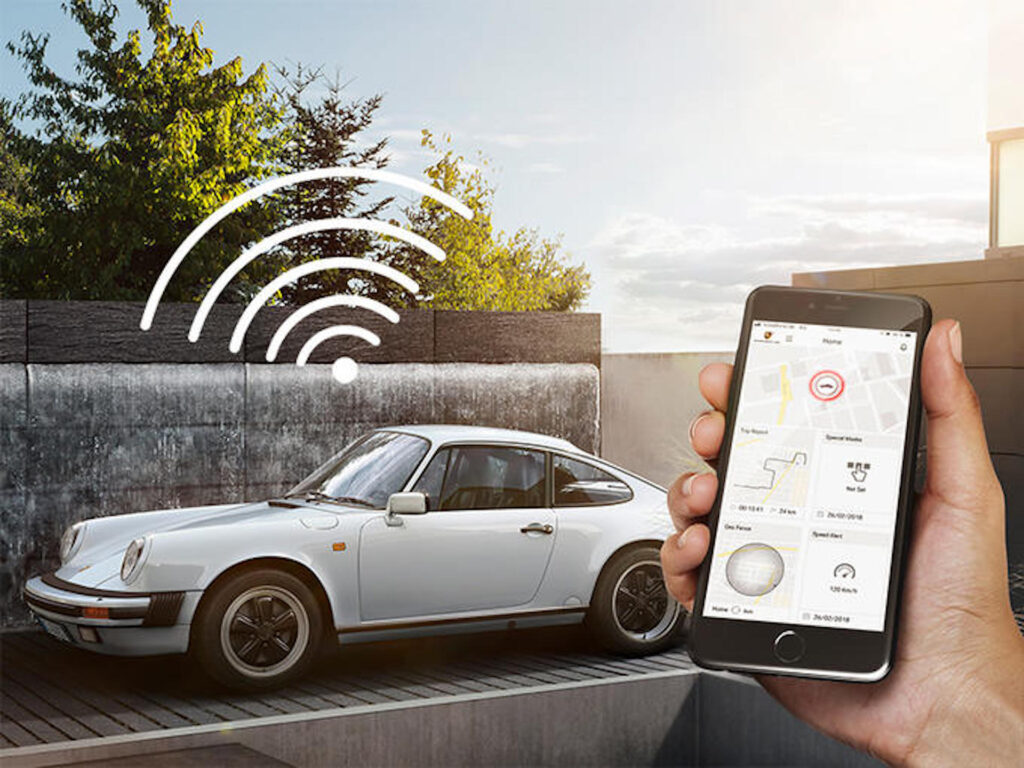
Yes. Fitting a GPS tracker to a vehicle you own is legal in Qatar, and it is common — owners do it to protect against theft, to keep an eye on a car a family member or driver is using, or to recover a vehicle if it is stolen. You control the device and the data. Here is how a car tracker actually works if you are considering one.
So what about privacy?
With a reputable provider, your tracking data is yours. It sits in your account, protected by your login, and is not shared or sold. The thing to watch is the provider, not the government — a cheap, unknown tracker with an unclear app is a far bigger privacy risk than any MOTC rule. Ask any provider three plain questions: who can see my data, where is it stored, and can I delete it? A serious company answers without hesitating.
Frequently asked questions
Does the Qatari government track private cars in real time?
No. There is no government system tracking the live location of private cars. MOTC tracking rules apply to commercial vehicles for compliance, and that data goes to the vehicle’s operator, not a central surveillance feed.
Is MOTC-approved tracking the same as government surveillance?
No. MOTC approval is a standard that commercial tracking devices must meet. The tracking data belongs to the fleet owner or operator, not the government.
Can I put a GPS tracker on my own car in Qatar?
Yes, it is legal to track a vehicle you own. Owners commonly do it for theft protection and peace of mind, and they control the device and the data.
Who can see the data from my car’s tracker?
Only you, or whoever owns the account. With a reputable provider the data sits in your private account and is not shared publicly or with the government.
Thinking about tracking your own vehicle in Qatar? Talk to EffyTrack — MOTC-approved, your data stays yours, and we will explain exactly who can see what.